About author

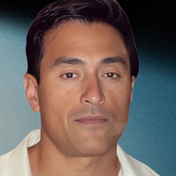
Advancements in neurodiagnostics have transformed the way neurological conditions are detected and managed, and Dr. Andrew Gomes research in diffusion imaging stands at the forefront of this progress. Diffusion imaging, a specialized form of MRI, enables clinicians to visualize the movement of water molecules within brain tissue. Dr. Gomes’ work focuses on refining this technology to provide more precise insights into brain structure and function, particularly in detecting early-stage neurological disorders.
Diffusion imaging offers a unique perspective by highlighting microstructural changes that traditional imaging techniques may overlook. Dr. Gomes has concentrated on enhancing the sensitivity and resolution of these scans, allowing for earlier detection of conditions such as multiple sclerosis, stroke, and neurodegenerative diseases. His research emphasizes not only diagnostic accuracy but also the potential to track disease progression and response to therapy over time.
A significant aspect of Dr. Gomes’ contributions is the development of improved analytical models that interpret diffusion data more effectively. These models help differentiate between healthy and abnormal tissue, offering clinicians a detailed map of the brain’s connectivity and integrity. By correlating imaging findings with clinical outcomes, Dr. Gomes has demonstrated how diffusion imaging can guide personalized treatment plans and improve patient prognosis.
Beyond technical advancements, Dr. Andrew Gomes work highlights the role of diffusion imaging in understanding complex neurological processes. By examining subtle changes in white matter pathways, his research sheds light on how diseases disrupt brain networks, providing insights that could inform both diagnosis and therapeutic strategies. This integrative approach bridges the gap between imaging technology and clinical application, making it a valuable tool for neurologists and researchers alike.
Dr. Andrew Gomes research underscores the transformative potential of diffusion imaging in neurodiagnostics. By pushing the boundaries of imaging technology and analytical methodology, he has contributed to more accurate, earlier, and actionable assessments of brain health. His work not only enhances clinical decision-making but also opens avenues for further exploration into the mechanisms of neurological disease, ultimately improving patient care and outcomes in the field of neurology.