About author

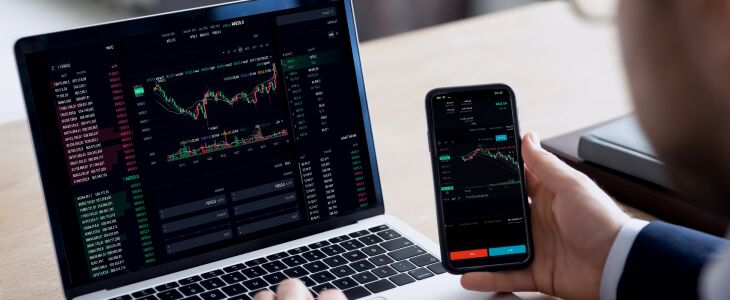
forex market, short for foreign exchange trading, is one of the most dynamic and liquid financial markets in the world. It involves the exchange of currencies to profit from fluctuations in exchange rates. With an average daily trading volume exceeding $6.6 trillion, the forex market offers opportunities for traders across the globe. This guide will explore the basics of forex trading, shedding light on how this fascinating market operates.
What is the Forex Market?
The forex market is a global decentralized marketplace where currencies are traded. Unlike stock exchanges, which operate within fixed hours, the forex market is open 24 hours a day, five days a week. This continuous operation is possible because trading takes place across major financial hubs like London, New York, Tokyo, and Sydney.
Forex trading involves pairs of currencies, such as EUR/USD (Euro/US Dollar) or GBP/JPY (British Pound/Japanese Yen). Each pair includes a base currency (the first currency) and a quote currency (the second currency). Traders buy one currency while simultaneously selling the other.
Key Participants in the Forex Market
The forex market is made up of multiple participants, including:
• Central Banks and Governments: They influence exchange rates through monetary policies and interventions.
• Commercial Banks and Financial Institutions: These serve as the primary players, executing large-scale trades.
• Retail Traders: Individual traders participate through online platforms, making the market accessible to everyone.
• Multinational Corporations: They trade currencies to manage risks and facilitate international operations.
How Forex Trading Works
Forex trading revolves around speculating on a currency’s value in relation to another. For instance, if you believe the Euro will strengthen against the US Dollar, you buy EUR/USD. If your prediction is correct, you profit as the pair’s value rises.
There are various factors influencing currency movements, including economic data, geopolitical events, and market sentiment. Traders use technical analysis (charts and patterns) and fundamental analysis (economic reports and global news) to predict market trends.
Final Thoughts
The forex market offers incredible opportunities, but it also comes with risks. If you’re considering entering this high-paced market, start with a solid understanding of the fundamentals, focus on risk management, and consider practicing with demo accounts to build confidence.